
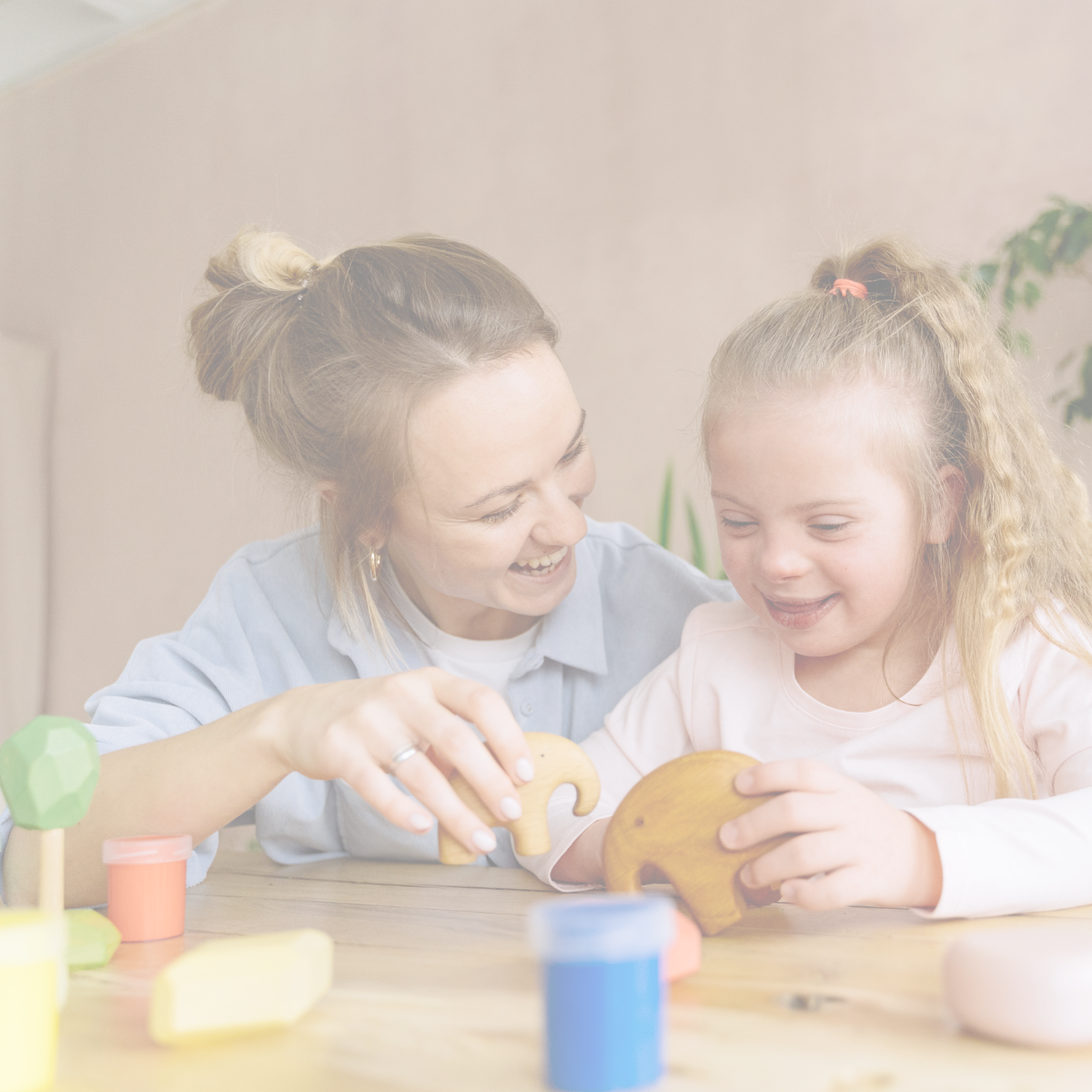
Children need more than food, clothing and a safe place to live. They also need connection.
A caring and dependable adult can help a child feel seen, heard and valued. For children who have experienced instability, loss or difficult circumstances, having someone they can count on can be especially meaningful.
That person does not have to be a parent. It could be a relative, foster parent, teacher, coach, mentor, neighbor, faith leader or another trusted adult.
Why Consistency Matters
Children learn what to expect from the adults around them.
When an adult consistently shows up, listens and follows through, children can begin to develop a sense of trust. Simple things like keeping a promise, remembering an important event or asking how a child is doing can communicate something powerful:
You matter to me.
For a child whose life has included uncertainty or frequent changes, dependable relationships can provide an important sense of stability.
Connection Does Not Have to Be Complicated
Being a supportive adult does not require having all the answers.
Connection can happen through everyday moments:
- Eating a meal together
- Reading a book
- Going for a walk
- Attending a child’s game or school event
- Helping with homework
- Asking about their interests
- Celebrating their accomplishments
- Listening when they have had a difficult day
These moments may seem small to an adult, but they can become meaningful memories for a child.
Listen More Than You Talk
One of the simplest ways to build a relationship with a child is to listen.
Ask questions about what they enjoy, what they are learning and what matters to them. Give them space to share without immediately correcting, judging or trying to solve every problem.
When children feel heard, they are more likely to know that their thoughts and feelings matter.
Celebrate Who They Are
Children benefit from adults who recognize their strengths and interests.
Maybe a child loves drawing. Maybe they are fascinated by animals. Maybe they are an incredible storyteller, a dedicated athlete or someone who can make everyone laugh.
Look for opportunities to encourage those strengths.
Children need adults who see more than their challenges. They need people who see their potential.
Be There During the Hard Moments
Being a caring adult is not only about celebrating the good days. It also means being willing to show up when things are difficult.
Children may test boundaries, have strong emotions or make mistakes. A consistent adult can help them understand that making a mistake does not mean they are a bad person or that the relationship disappears.
Clear boundaries and compassion can exist together.
You Do Not Have to Be a Foster Parent to Help
Foster care and adoption are important ways to support children, but they are not the only ways to make a difference.
Communities need people who are willing to support children and families in many different ways.
You might:
- Volunteer with a child-serving organization
- Provide meals or supplies to families
- Mentor a young person
- Support foster and kinship caregivers
- Donate needed items
- Offer encouragement to a family
- Learn more about the needs of children in your community
- Become a trusted adult in a child’s life
Every community has different needs. The first step is simply being willing to learn how you can help.
Small Moments Can Have a Lasting Impact
We may never know which moments children will remember years from now.
It could be the teacher who encouraged them when they were struggling. The coach who believed in them. The neighbor who always asked how their day was. The relative who made sure they knew they belonged.
Being that person does not require perfection.
It requires presence.
Every Child Deserves Someone in Their Corner
At TFI, we believe every child deserves safety, stability and the opportunity to thrive. We also believe communities are strongest when adults come together to support children and families.
You may not be able to change every circumstance a child faces. But you can be one more caring adult who shows up, listens and reminds a child that they are worthy of care and support.
Sometimes, one relationship can be the beginning of something lasting.
This month, ask yourself: Who is a child I can show up for?